Meeting Tuscany

There are several different interesting places and areas to meet in Tuscany. Tuscany is one of the most visited cities of Italy, if not the most, due to the great amount of attractive spots it concentrates and the way in which different history époques can be evoked through them.

Tuscany contains buildings dating from époques such as the Renaissance or even from the time of the Etruscans, the native inhabitants of this city. Florence is one of the main areas where visitors can observe art and architecture from the Etruscans at some buildings, along with the products of artists from many other époques and historical times as well.
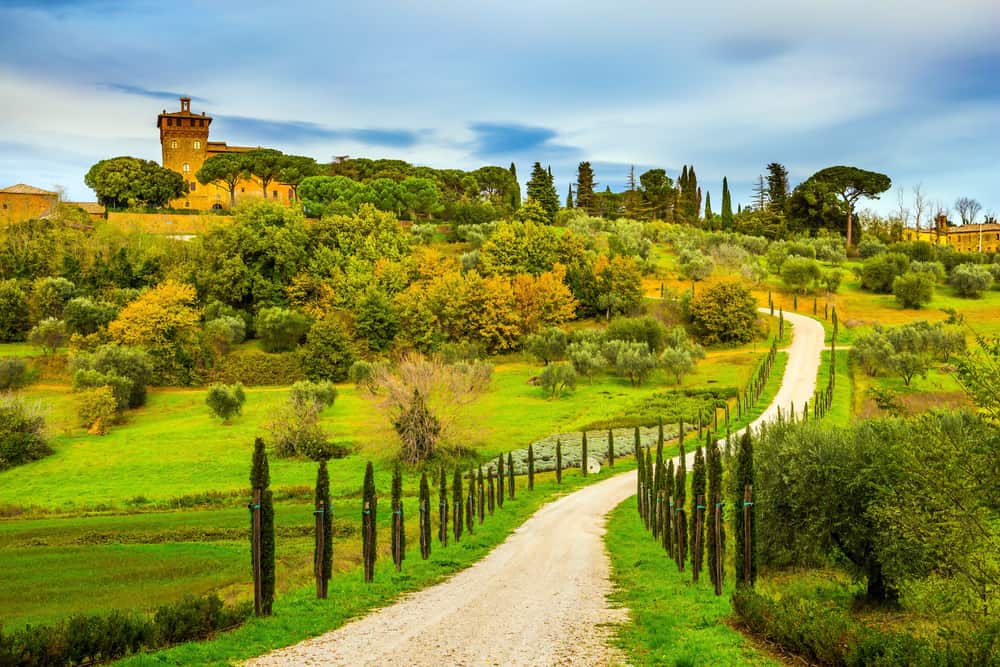
Beautiful green, rural landscape in Tuscany, Italy.
Tuscany

Recommended sights in Tuscany

Among some of the main places of the region and the most recommended for visitors to meet are the towers of san Gimignano, the Leaning Tower in Pisa, The Duomo or Cathedral of Florence, Pitti Palace, and the Cathedral of Siena among many others. It is very recommendable for visitors to plan which places they wish to meet since there are so many that time might not be enough sometimes.
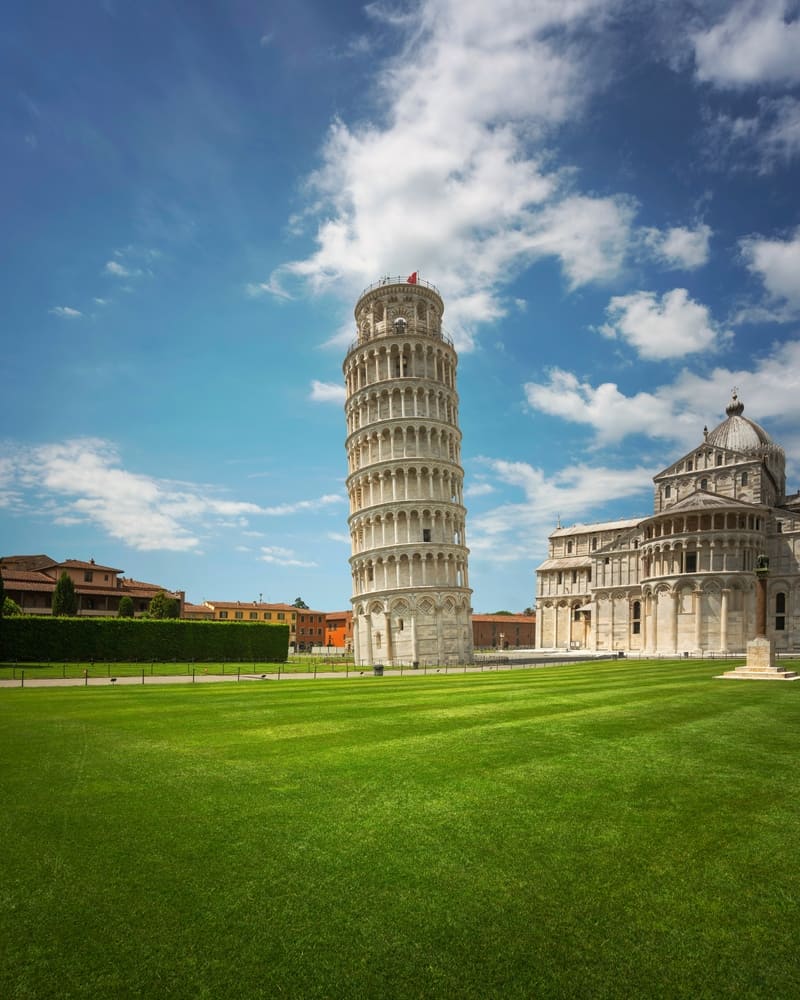
The Leaning Tower in Pisa, Tuscany. Blue sky and green grass.
The Leaning Tower in Pisa

Italian art

Art is one of the most valuable attractions which Tuscany offers to visitors and actually attract them from all points of the world. Art pieces, paintings, sculptures, buildings and a mixture of all the before mentioned created by some of the most amazing artists of all times can be observed in Tuscany. Among these artists, we can name, for example, Michelangelo, Da Vinci, Donatello and Botticelly.

The Medici family

Another very important attraction of Tuscany is the palaces and buildings where the Medici family inhabited hundreds of years ago. The Medicis influenced the city art and had a great impact on it due to the fact that they were constantly impelling artists to create new pieces and objects, many of which can be observed in many of Tuscany’s, and specially Florence’s buildings.

Remember the wine

Tuscany is also world wide known due to its unique wine. Throughout region of Tuscany, there are wide extensions of fertile lands which offer ideal conditions for the production of excellent red wines. These wines are exported to many different destinations and are rated among the best of the world.
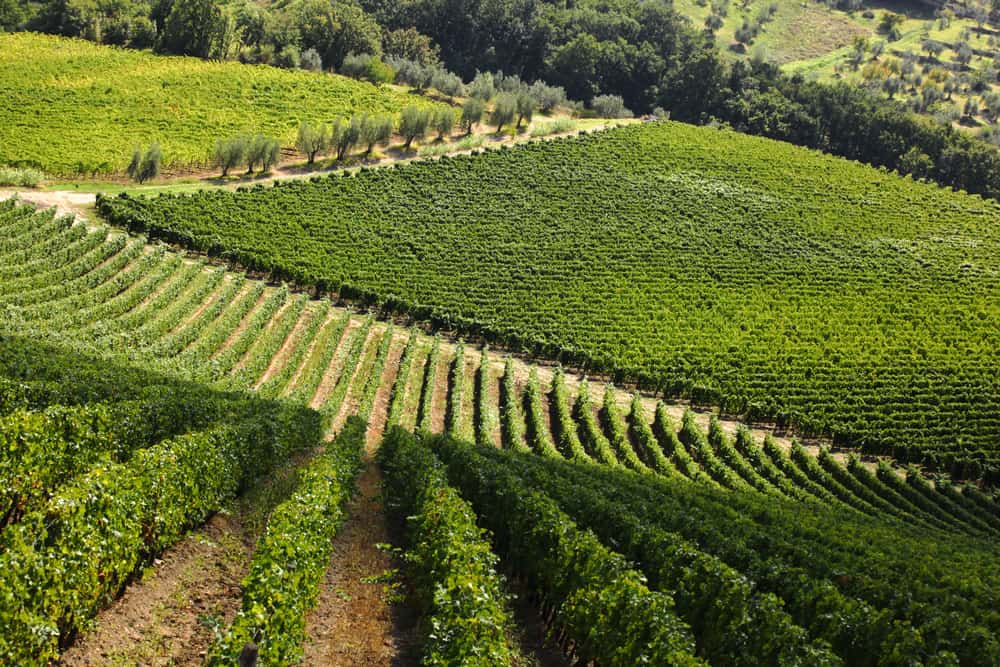
Vineyard in Tuscany - near Florence.
Vineyard in Tuscany

Map of Tuscany

Interesting places to visit in Italy

Rejseforsikring Italien

Verona – Romeo and Juliet’s town

Verona is not only where Shakespeare’s Romeo and Juliet lived, but also one of the Italian cities which contain some of the most interesting historical areas. This way, this city offers an incredible environment in which romanticism can be felt through the real and fictitious people who have lived in it and the stories the town buildings tell.

Tourists who visit Verona can always find something interesting to do or an interesting place to meet. This city is full of cultural and entertainment related spots, buildings and activities from which visitors can choose at almost any time of the day. At Verona, there are activities suitable for all preferences and wishes, and it is almost impossible to visit it without feeling and breathing its past and its modern present at each one of its spots.

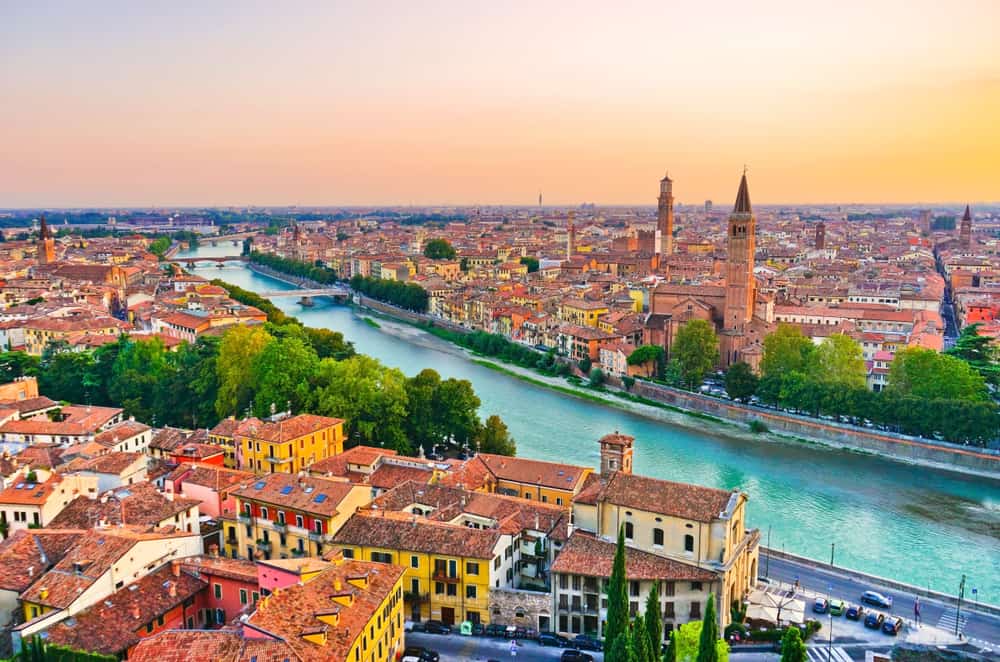
Aerial view of Verona devided by the Adige river.
Verona

The Roman Amphitheater in Verona

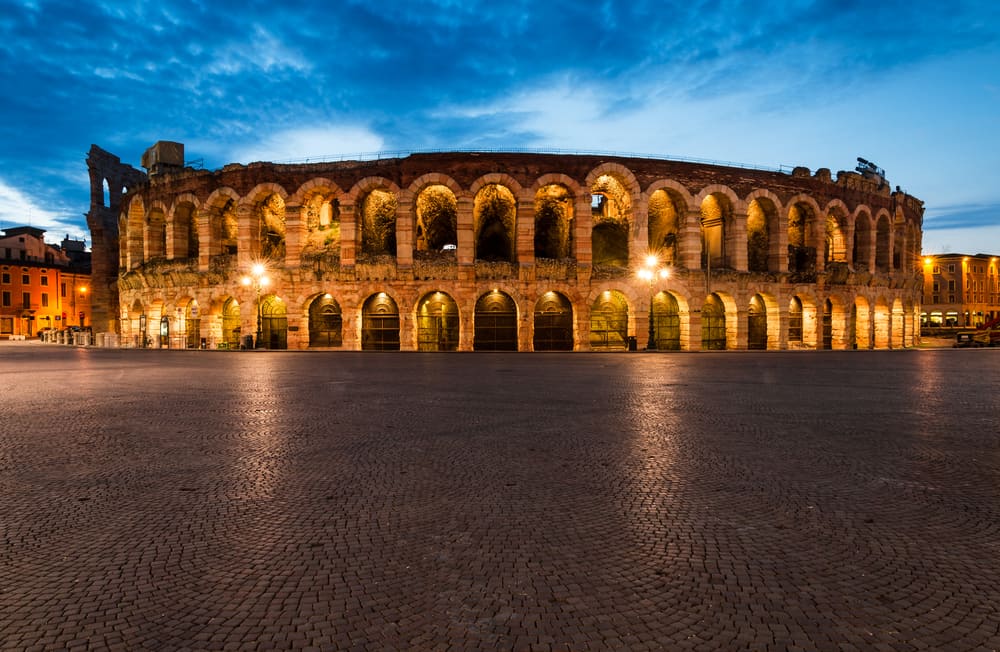
One of the main places which visitors would have the great chance to visit while being at Verona is the Roman Amphitheater. The Roman Amphitheater is one of the most amazing monuments of the world. This monument was built during the first century and then was extended during the third century as well.

The amphitheater in Verona, Italy. Beautifully lit at dusk.
The amphitheater

The past and the present

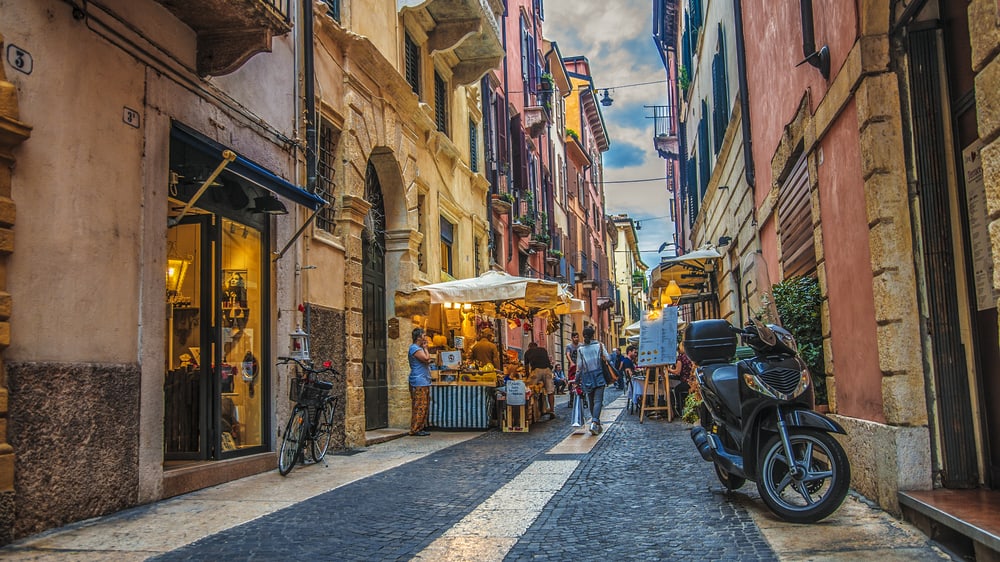
While being at Verona, modern life can be seen perfectly mixed with the past and historical environment. There is a wide variety of different cafés, bars, pubs and discos to visit and have fun. There also are many options for those who wish to mix with the Italian culture and, for example, eat a typical meal at a truly Italian restaurant or a typical pizza at a local pizzeria.

A narrow and cozy street in Verona with small shops, old houses, and pedestrian.

Other things to do in Verona

Visitors can also have a calm and relaxing time, enjoying Verona’s historical environment and feeling its past while meeting its different spots. Besides this, there also are plenty of different cultural options available to choose such as, for example, operas, theaters; and besides this, activities at the Roman Amphitheater can be enjoyed sometimes as well.

Music is always present at this city and there are always several options related to it from which to choose; from traditional opera to rock concerts, all music tastes and preferences can be fulfilled in Verona.

Map of Verona

Interesting places to visit in Italy

Typical Italian cuisine and its characteristics

Italian cuisine is characterized not only by its typical ingredients and the way they are used in each meal, but also by the way dishes are served and the environment in which they are eaten. Italian cuisine is unique and very special, and when it is properly done, it can transport those who enjoy it to Florence, Sicily, Venice, Tuscany or any Italian town as if they were there.

Typical Italian cuisine

A typical Italian cuisine meal would start with an entree, followed by a first course, a secondo or main course accompanied by a side dish and bread, a desert or a fresh fruit and an espresso or coffee. Each one of these dishes and courses has its own characteristics, and in cases of special occasions there might be more than one main course.

An Italian entree

An Italian entree dish which would usually be of smaller size than the next ones. This dish could consist on pasta, meat or fish, and in the two last cases sometimes are cold dishes. Following the entree would be the first course which usually consists on soup or risotto, although there might be other variations as well such as pasta for example.

The typical Italian dinner

After the first course, a typical Italian dinner would indicate a second or main course. A main course is usually based on meat, fish or vegetable, depending on which ingredients consisted the dishes served before. This main course is accompanied with a side dish which must be complementary to the ingredients of the main dish. For example, in case of a main dish based on meat, the side dish could consist on a small portion of vegetables.

Desert and coffee

A typical Italian meal would be closed with a desert and a coffee. The desert would usually consist on a cake, pastries, fruits or a fruit salad. After this, an Italian cuisine mandatory element is a cup of espresso or coffee. It is also important to mention that an Italian meal would most of the times be accompanied with wine, chosen according to the kind of meal and the elements in which its preparation is based.

Interesting places to visit in Italy

The uniqueness of Italian art

Italian art is among the most rich and interesting sources of art from the entire world. This region has been home of some of the most incredible artists as well as, today, it still is home of some of the most valuable art works which could be found. World wide art owes an important part of its history and its major influences to Italian art periods.

Female italian artist in front of one of her paintings in her studio.

There are several periods in which art out of Italy can be divided and explored according to the époque in which they were created as well as to the roots of their creators. This way, most most arts with Italian roots works show characteristics that not only are unique but also clearly show in which time they were created.

The Medieval Period

One of the main periods in which art from Italy got a strong impulse was during the Medieval Period. During this period of time, art started gaining a greater importance than it had before, and appeared through the creation of mosaics and frescoes, some of which can still be observed today at many different Medieval Italian buildings.

The Renaissance Italian art

The Renaissance was another period during which Italian art has gained great importance and when many of today’s most valued art pieces and art works were created. During this époque, a new approach to the way objects and living beings are represented through paintings and sculptures can easily be noticed since they show a more natural and human point of view.

After the Renaissance, many other major Italian art periods have succeeded it. Some of these periods are the Quattrocento, the High Renaissance, the Mannerism, the Baroque, and the Rococo. All these periods had specific characteristics of their own and added new elements to what they had inherited.

Modern Italian art

During the last centuries, from middle 19th century, we went through what can be called modern Italian art, which went through movements such as, futurism, which had its main impulse given by the Macchiaioli group. After that, art from Italy started becoming more diversified, and different approaches were added to it. Italy has such an influence on art and the approach which other cultures have to it that it has actually been school of art for many artists from the entire world.

Interesting places to visit in Italy

Florence in a day

Overflowing with history, art and culture, Florence is a city that’s very hard to do justice to in a single day. A visit to the Uffizi museum alone could easily eat a day or two into any itinerary.

If you’re fortunate enough to visit Florence for the first time, but unfortunate enough to have only a single day to savour the delights of this city, you will need to ensure that you have a plan.

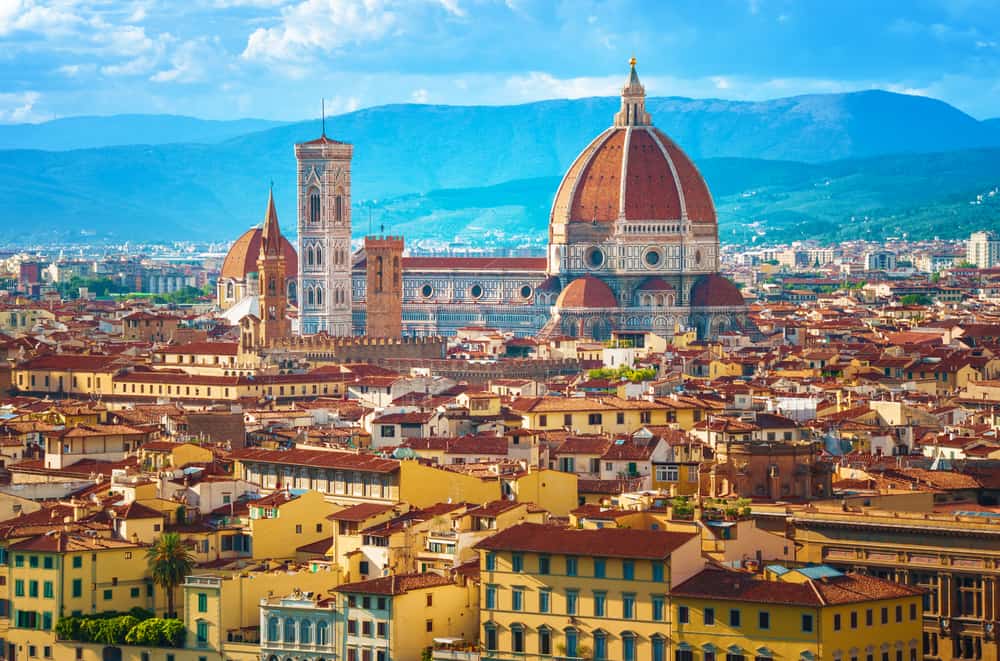
Panoramic view of Florence, Italy.
Florence

The best of Florence

So allow me be your guide for the day and take you on a whistle stop tour of the sights and sounds of Florence. I can’t promise you the Uffizi in a day, but hopefully at the end of the tour you’ll feel like you’ve seen the best of the city. Your only problem will be deciding when to come back for more!

The centre of Florence

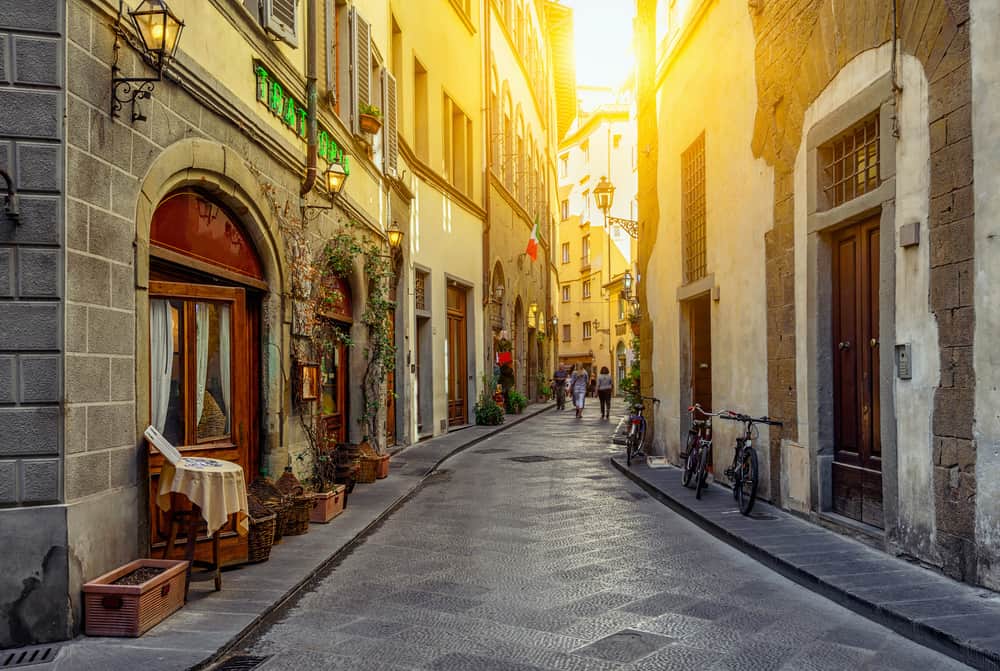
The first thing you’ll need before you start your tour is a map of the city. The centre of Florence is pretty compact, so the best way to see it, without missing a thing is by foot. If you don’t have a map or a guidebook and you’re not the type that enjoys aimless wandering, make your first stop of the day one of the tourist offices where you can pick up a free map of Florence.

A narrow street in Florance in Italy.

Visiting the Duomo

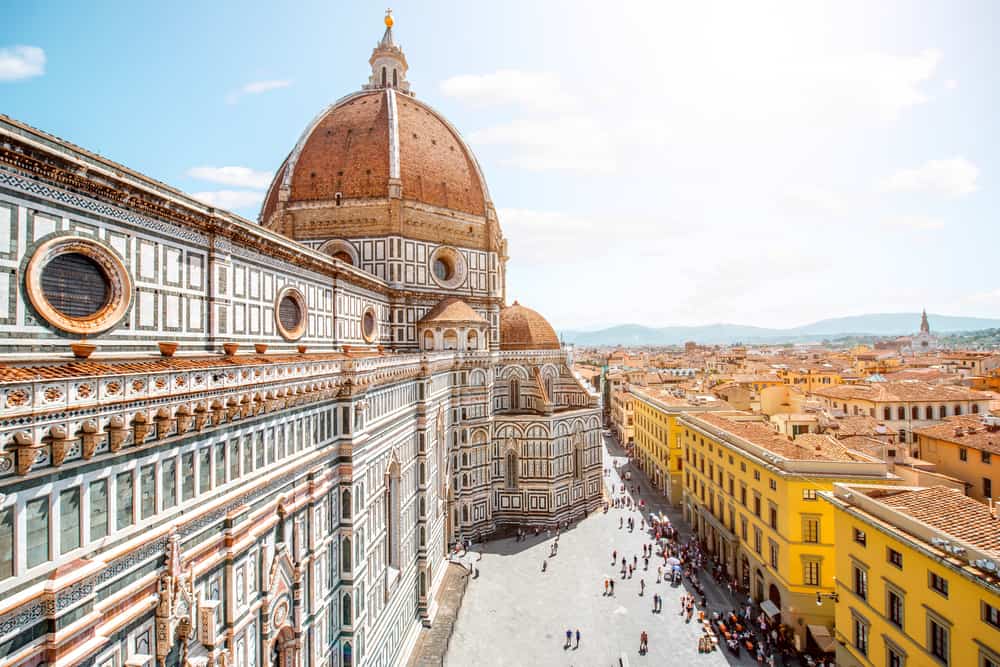
Starting off in the main Piazza, you’ll easily spot the famous Duomo, with its magnificent terracotta coloured cupola. If you are there early enough to avoid the crowds and feel you can face the 463 steps I’d recommend starting your tour by climbing up into dome for a spectacular view of the city. The Duomo is probably the most distinctive feature of Florence’s skyline and is the result of years of work spanning six centuries.

An outside view of the majestic duomo in Florence - Santa Maria del Fiore.
Santa Maria del Fiore

Piazza della Signoria

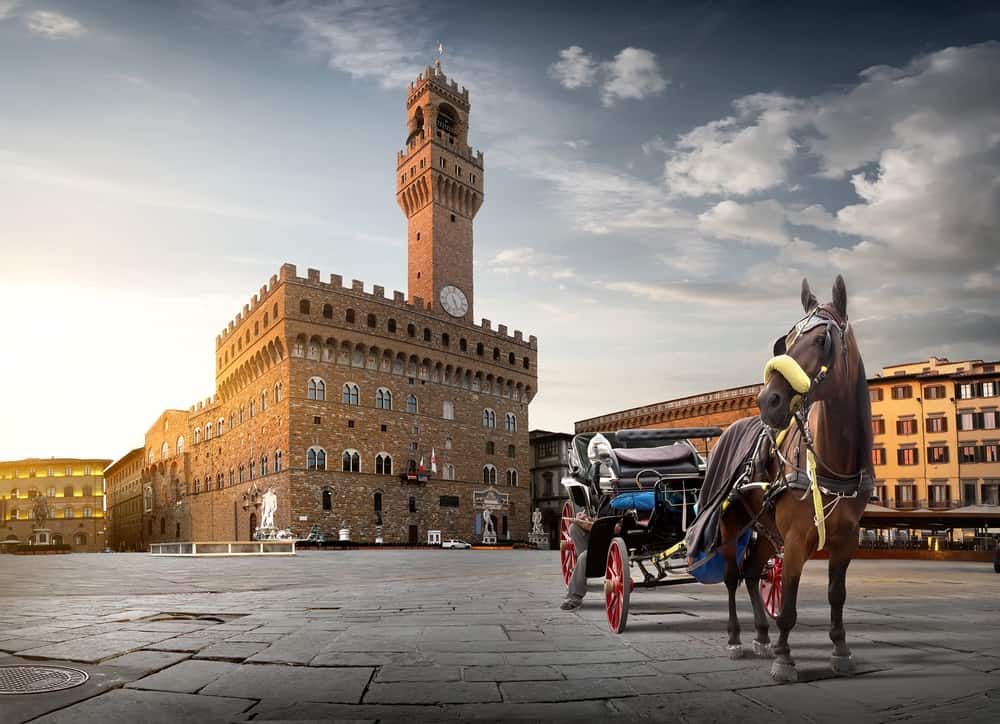
Once you’ve taken in the view, catch your breath with a leisurely stroll around the streets surrounding the Duomo, and then take a walk to the nearby Piazza della Signoria. Here you’ll find a unique outdoor gallery of sculptures, including Neptune’s Fountain and a copy of the famous Statue of David. You’ll also find the Palazzo Vecchio (the Old Palace) here. This was built in the early 14th century and is still used today for its original purpose, as a town hall.

The Piazza della Signoria in Florence at dawn. Horse in the foreground.
Piazza della Signoria

The Uffizi museum

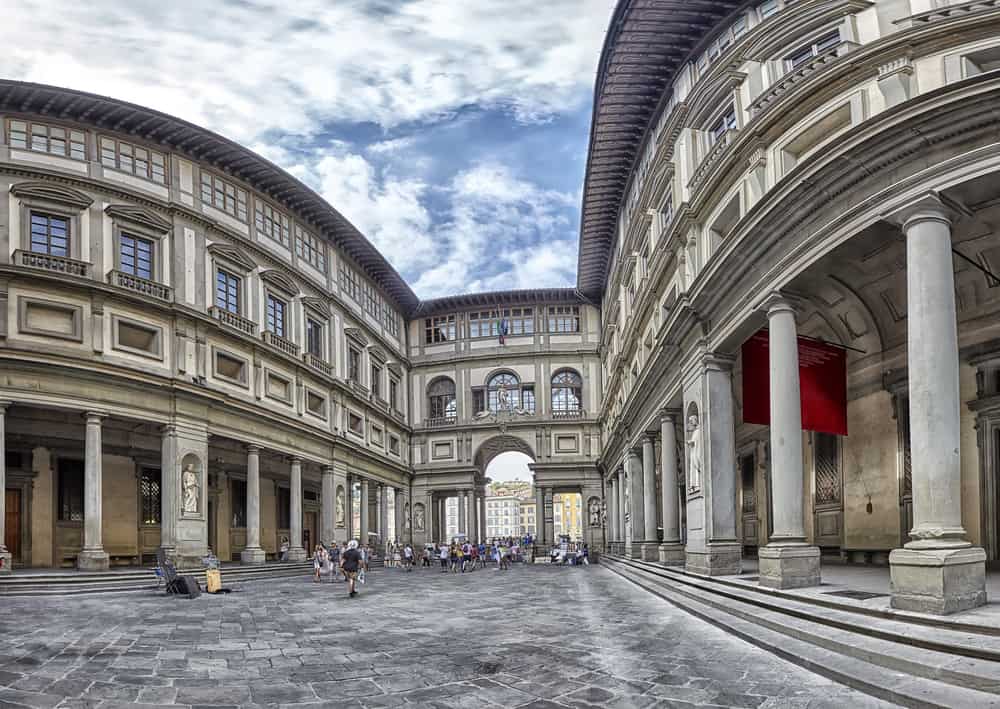
Just beside the Palazzo you’ll find the Uffizi museum, with its unrivalled collection of Renaissance art. If you’re an art lover, you don’t want to miss the Uffizi, but it’s not something that can be easily covered in a short 2-hour visit!

The Uffizi museum in Florence, Italy.
The Uffizi museum

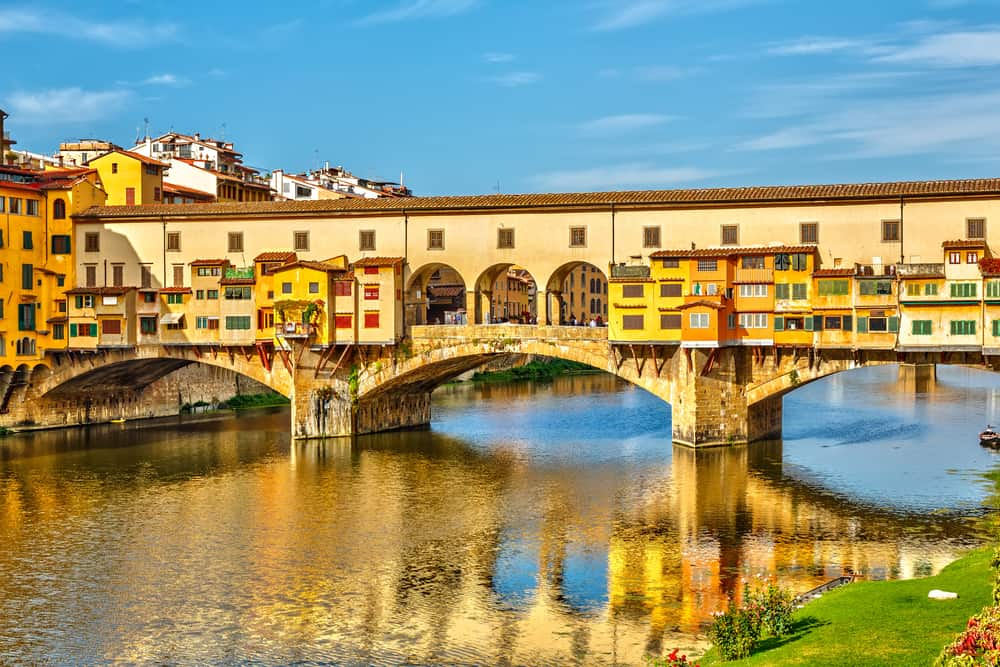
Alongside the Uffizi you’ll find the River Arno, with its many bridges. If you take a right turn you’ll arrive at the Ponte Vecchio, the famed bridge that houses a multitude of goldsmiths and jewellery shops, with its medieval workshops overhanging the bridge. The bridge itself was built in 1345 and is the only bridge on the Arno that wasn’t destroyed in World War II.

Over the Arno …

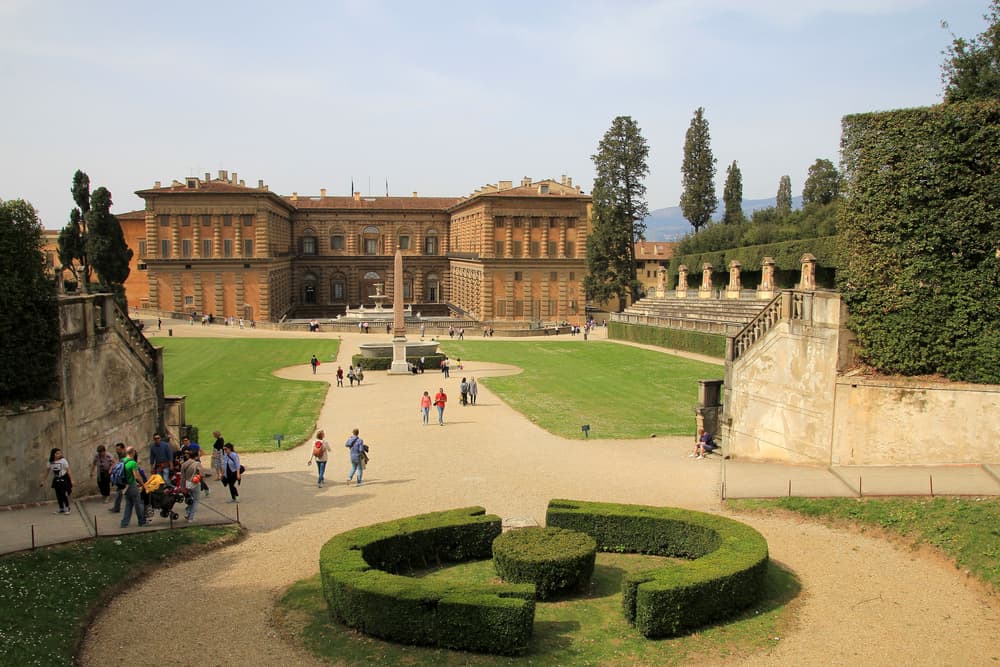
Once you’ve crossed the bridge, you’ll arrive in the area called Oltrano, which literally means “Over the Arno”. Here you’ll find the Palazzo Pitti – a large 16th century palace. The palace was originally home to the Medici family who ruled Florence almost continuously between 1434 and 1743 and it now houses several important museums and galleries.

The garden of Palazzo Pitti in Florence and the palace in the background.
Palazzo Pitti

The Boboli gardens in Florence

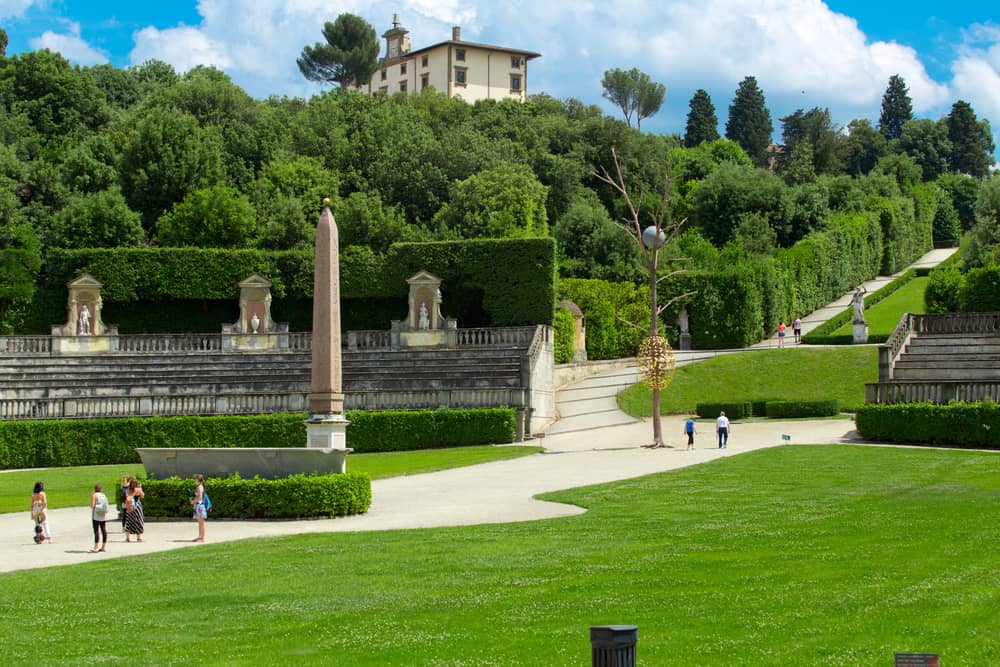
You may want to finish your day by taking a relaxing stroll in the Boboli gardens, which can be accessed through the Palazzo Pitti. These gardens were laid out in 1550 for the Medici a year after they bought the Palazzo Pitti and were opened to the public in 1766. Many parts of the gardens give stunning vistas over Florence and make a welcome retreat after a day of walking round the city.

The Boboli gardens in Florence on a bright day.
Boboli gardens

The Ponte Vecchio

If you have the time, it’s worth returning to view the Ponte Vecchio at sunset, followed by a walk along the bridge after dusk, when the lights on the bridge reflect on the River Arno and everything seems almost magical.

The colorful Ponte Vecchio bridge over the Arno River.
Ponte Vecchio bridge

Finally, don’t forget to take a break from your sightseeing – stop for lunch or a drink in a pavement café, take some time to soak up the atmosphere and do a spot of people watching.

About the author

Suzanne Morrison is a keen independent traveller and considers Florence one of her favourite European cities.

Interesting places to visit in Italy

Italy cruise – Expert guide

History, wine, serene beauty, dramatic people and stunning views – an Italy cruise has it all! You can visit the main sites of Italy on a European cruise or a Mediterranean cruise, but to really experience Italy – to really taste it – you need to immerse yourself in everything that Italy has to offer by taking an Italy cruise…

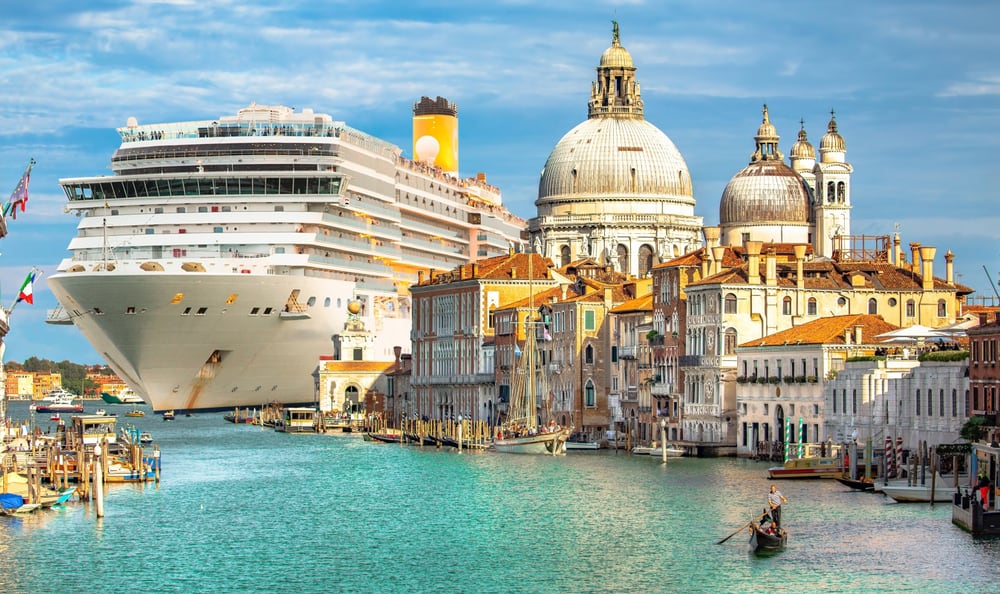
A giant cruise ship leaving Venice, Italy.
Cruise ship in Venice

Italy cruise departures

Italy cruises depart from several ports around the country. Many depart from Civitavecchia – the gateway port to Rome. However, to get the full Italy experience it is recommended that an Italy cruise be embarked upon from the ports of Savona or Genoa on the Ligurian Peninsula and taken all the way round to Venice, or vice-versa. This way, you’ll discover that there’s a lot more to Italy than a cruise departing from Civitavecchia would be able to show you!

So, what delights await in this classical land? The Ligurian Peninsula is a true paradise. Largely undiscovered by mass tourism, quaint Italian villages line the coastline in this spectacular part of Italy. Beautiful sandy beaches alternate with rocky headlands, and magnificent coastal villages shine like beacons on the shore…

Passenger sitting on a cruise ship enjoying the view and having a drink.

In Genoa you can discover the birthplace of Christopher Columbus and marvel at the city’s stunning Gothic architecture. A little further to the south Livorno is a port of call worth spending a little time at. Here, you will be able to arrange shore excursions to see the famous leaning tower of Pisa, as well as visit the grand Renaissance city of Florence – home to Dante, Michaelangelo and the Medicis…

The Colosseum at Rome, Mount Vesuvius and the ancient city that it buried – Pompeii – are essential attractions to visit when on an Italy cruise, as is Rimini on the Adriatic Sea. From Rimini you can take a shore excursion to visit the enclave of San Marino, which is less than an hour’s drive from Rimini port…

A fabulous Italy cruise to Venice

Finally, irresistible Venice awaits as the final stop at the end of your cruise. Venice is a true waterworld, consisting of more than 120 islands through which a network of waterways can be explored by gondola. Renaissance-style architecture is everywhere in this city, and you’ll be able to take a shore excursion that takes in the famous Rialto Bridge and the Bridge of Sighs…

So, whether you want to discover what it felt like to be a gladiator in Rome’s Colosseum, peer into the gigantic crater of Mt Vesuvius or navigate your way around Venice’s canal system, an Italy cruise is a special adventure that you’ll never forget.

About the author

John Metcalfe is the author and web publisher of A to Z Cruises your #1 source for cruise information.

Interesting places to visit in Italy

Visit Rome – a historical city

Do you bear a passion for history? Are you interested in ancient architecture and temples? Do age-long and legendary activities beckon you? If so, then you must definitely explore the ancient lands of Rome, at least once in your lifetime.

With an area of about 150 square kilometers, and a population of 3.8 million, the city still stands tall in the vast field of world history. Whenever we come across Rome, Etruscan tombs, Republican meeting rooms, Imperial temples, ancient Christian churches, medieval bell towers, Renaissance palaces, and Baroque basilicas strike the core of our mind and we enter the superficial world of history and architecture.

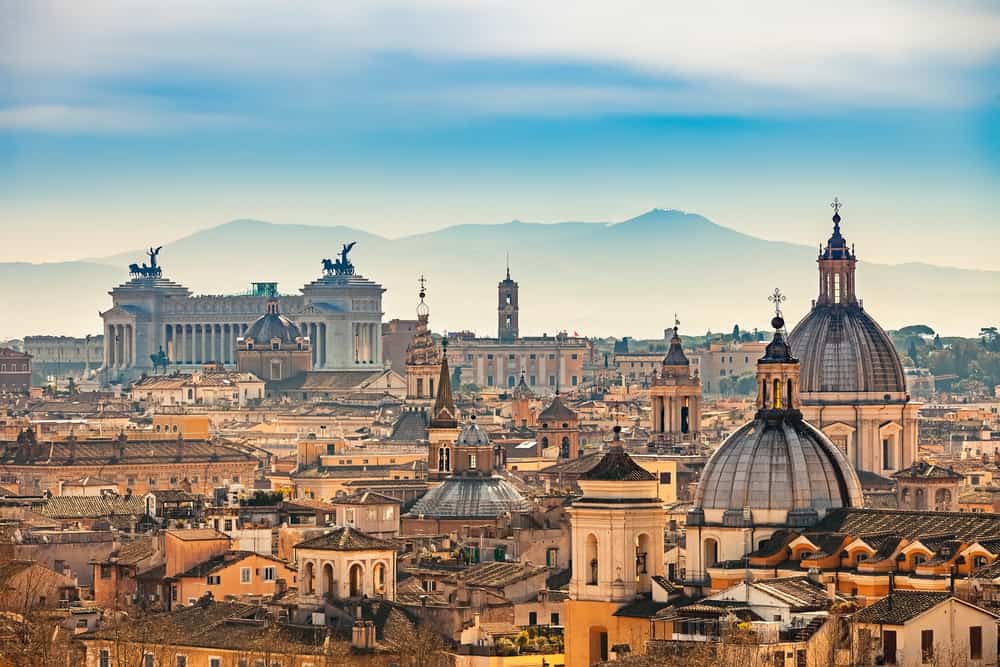
Panorama over Rome (Italy) from Castel Sant'Angelo.
Rome

The city is situated halfway down Italy’s western coast, about 20 kilometers inland. It is a large city, though the historical area is quite small. A majority of the historical sights are restricted within a reasonable distance of the central railway station, Stazione Termini. All the main monuments are situated west of the train station. However, it is always advisable to use the map of Rome.

Attractions

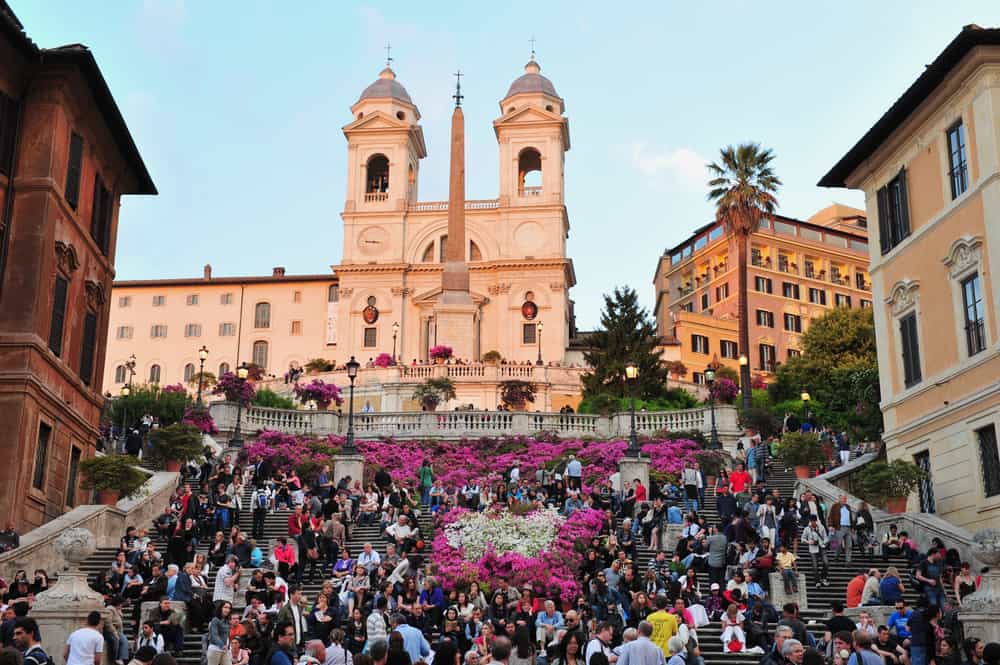
The central attractions are the Palatine Hill and the Forum. Via Del Corso is located north from the Forum to Piazza Del Popolo, accompanied by Spanish steps and the Trevi Fountain on the east. The Vatican in Rome is situated northwest of the Forum, across the River Tiber.

The Spanish Steps in Rome crowded with people.
The Spanish Steps

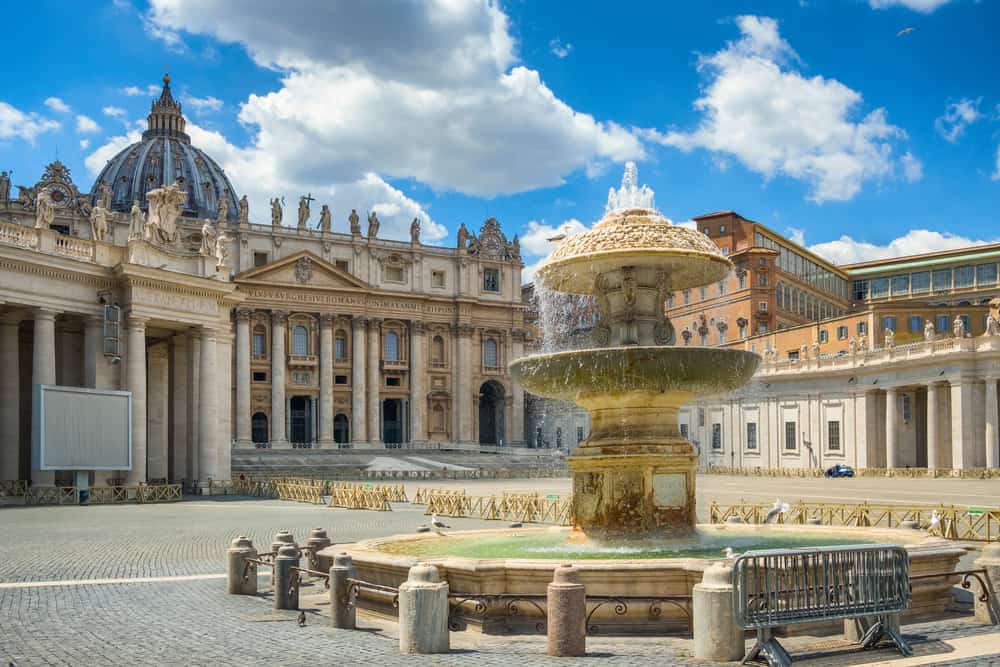
Rome offers a great deal of pleasure with the likes of the arrogance of the Vatican, the immemorial haunting memories of the Coliseum or the sheer thrill of going back to centuries ago of timeless history.

St. Peter square in the Vatican city in Italy.
St. Peter square

Rome offers you a wide range of excitement, adventure, and enjoyment. The thrill and sheer experience of the city is very distinctive and unique. It gives you the liberty to thrive on wine, architecture, history, and sunshine.

Map of Rome

Author
David Chandler

Interesting places to visit in Italy

Rome Derby

Beautiful Lake Garda Italy

The crystal clear waters of Lake Garda are perfect for swimming and many popular sports such as windsurfing and sailing. The local climate is softened by the presence of this large body of water, which makes it comfortable for exploring the towns and villages on and close to the lake towns such as Garda, Lazise, Sirmione, Torri del Benaco Bardolino, Limone and Peschiera which are wonderful places to visit with a great choice of hotels, villas and holiday homes or just for wandering around the cobbled streets filled with shops, hotels and restaurants and are home to bustling lakeside markets.

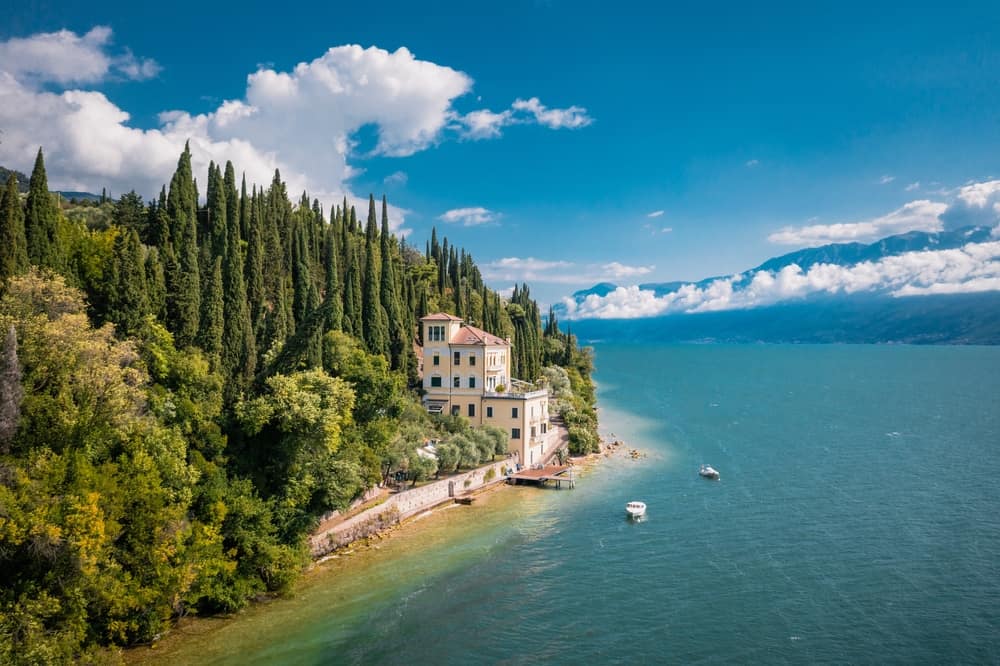
Aerial view of Lake Garda near Toscolano Maderno in Italy.
Garda Lake near Toscolano Maderno

Other places to visit at Lake Garda

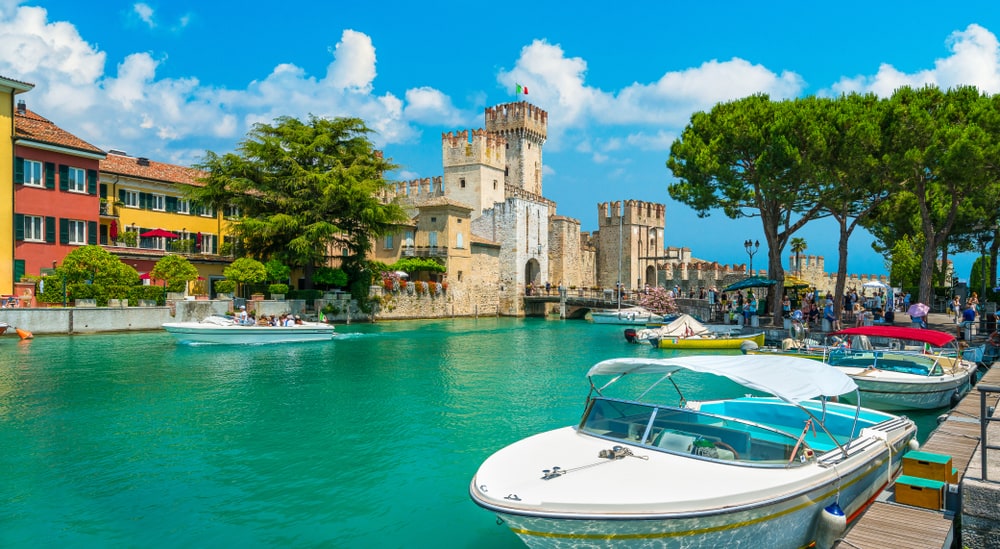
Do visit the old port of Torbole, the charming old streets of Limone and the castle and Roman Villa in Sirmione. From Malcesine you can take a cable car onto Monte Baldo for some mountain walking and superb views. Walks on the lake shore from Lazie or Bardolino also help to work up an appetite. On the southern shore, jutting into lake garda, lays Sirmione with its quiet cobblestone streets, thermal baths, fairytale castle, olive groves and quaint hotels. Gazing across the lake from the town of Desenzano on its southwest bank, the view is quite spectacular. Lake Garda’s has more in common with southern Italy. The Veronese east bank of the Lake produces olive oil and famous wines, such as Valpolicella and Bardolino.

The beautiful town of Sirmione by Lake Garda, Italy. Boats in the front and the town castle in the background.
Sirmione

Looming above the area is Mount Baldo with its three peaks. Projecting through the last glacial sheet, its unique flora is a throwback to pre-glacial times.The rich soil and mild climate of the lake area encourages an abundance of wildlife and flora. Cedars, olives, lemon and palm trees flourish and the Gorgeous shoreline offers pristine beaches. Numerous ancient castles dot the hillsides. The cablecar ride to Monte Baldo provides magnificent views of Lake Garda and the mountains beyond.

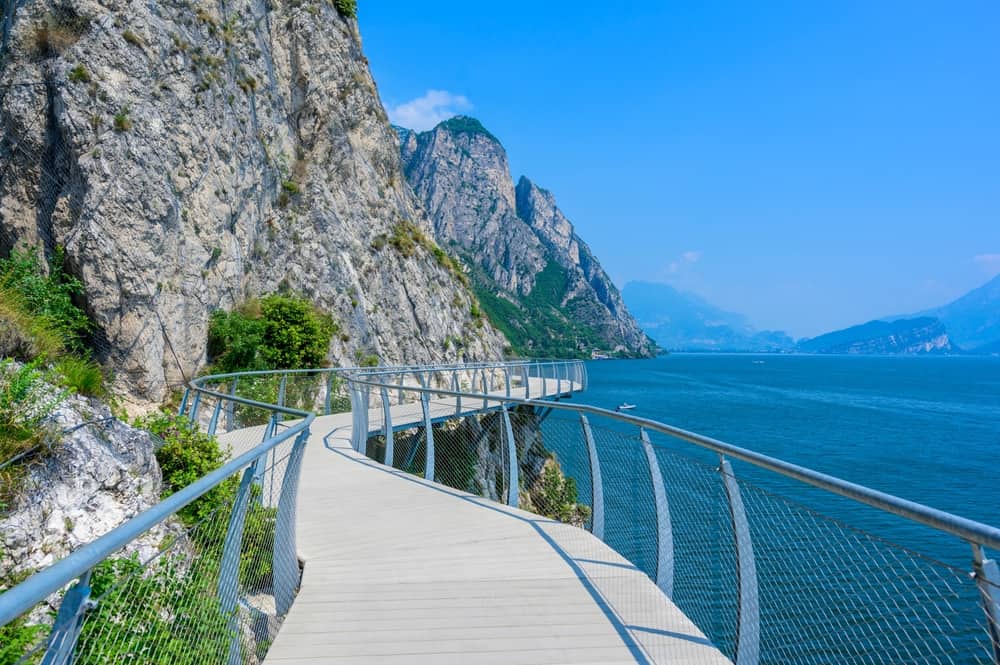
"Ciclopista del Garda" is a bicycle road and foot path over Lake Garda.
Ciclopista del Garda

Hope you will enjoy your visit and will find our web site useful, please feel free to contact us if you have any more questions regarding the lake.

About the author

Christopher Panduro
Moved to Lake Garda from the UK 13 years ago.

Interesting places to visit in Italy

Ya Mule! Backpacking in Siena, Italy

Ah, the glamour of backpacking through Europe. Of course, the glamour comes with a price as I found in Siena, Italy.

Siena

Siena is located an hour or so outside of Florence, Italy. My handy dandy guidebook suggested it was a side trip that just had to be made. A medieval structure located behind protective walls on the top of a hill. The central area was generally closed off to cars and it was a taste of true Italy. Who was I to argue?

Aerial view of Siena in Tuscany, Italy.
Siena

As I sat on the train, I check my backpack for any excess weight. I had already discarded or sent home unnecessary items and was feeling pretty light on my feet. Next thing I knew, the train had stopped and I was standing on flat road next to a rolling hill covered in trees and homes. Siena proper was at the top.

The thing about rolling hills with lots of foliage is they are simply evil. You can never get a grasp on how far it is to the top. You keep thinking the top appears to be a few hundred feet in front of you until you reach it. Then you discover it is just a dip before another upward section. The hill up to Siena is just such a rolling hill. Throw in a road that twists all over the hill like a drunken sailor on leave, and you’ll never scoff at a moped again.

Getting in touch with my inner mule, I began to climb and tame the great beast. As I trudged along, I thought of all the great people that must of walked up the same hill throughout history. As I stood in the shade panting, I thought all of those great people probably hitched a ride instead of walking like me.

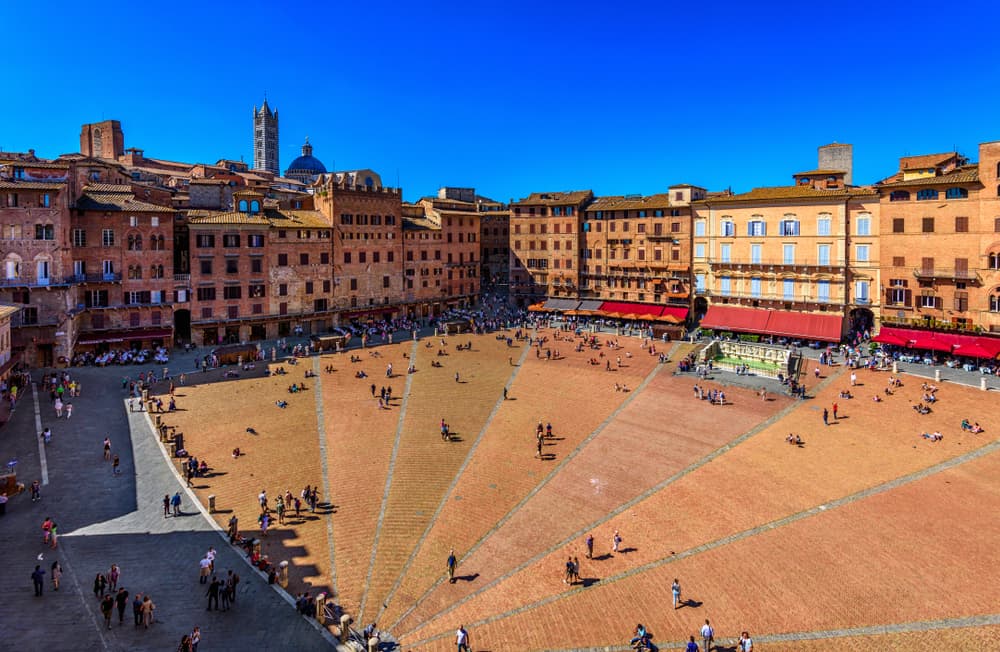
Aerial of beautiful Campo Square in Siena, Italy.
Campo Square

After thirty-five minutes or so, I was seriously starting to think about hitching a ride. Of course, this would mean admitting defeat. The battle between my genetic male stubbornness and “this sucks” attitude was intense. Like a mule, I kept going. Five bends, three dips that I could have sworn were the top.

Just as I was giving in…a wall. A really big wall. I passed it and suddenly was in a large parking lot area with tourist buses. Hands on knees, shirt soaking, I tried to maintain my dignity as the tourist looked at me like I was insane. Did that moron walk up here? One even took a picture!

After composing myself…err, getting my breath back, I booked a room in a little hotel. The young lady working the desk seemed hesitant, but I made some comment about it being a long way up from the valley. She started giggling and I had the room.

I showered and went looking for trouble. Well, trouble that was on a flat surface. In the town centre, I stumbled upon a small café selling Mexican beer. Being from San Diego, this was nirvana. My inner mule was quickly appeased and the hill of death forgotten.

Reflecting on my climb from a historical perspective, I learned a good lesson. It is far better to be behind the wall than trying to attack it!

About the author

Rick Chapo is with nomadjournals.com – makers of travel journals. Writing journals are the perfect travel accessories. Visit nomadjournaltrips.com to read more travel articles and travelogues.

Interesting places to visit in Italy

Travel to Italy – Rome and Venice

Where does one begin to start when discussing Italy. Well, if you intend to travel there, Rome and Venice are good places to start.

Rome

Perhaps you’ve heard of it? It goes without saying that Rome has a rather prominent past. Lets see, in Rome you will find…[deep breath]…the Vatican, Coliseum, Pantheon, Piazza Navona, Church of Saint Agnese, Trevi Fountain, Spanish Steps and a guy name Allassandro. Just making sure you’re paying attention.

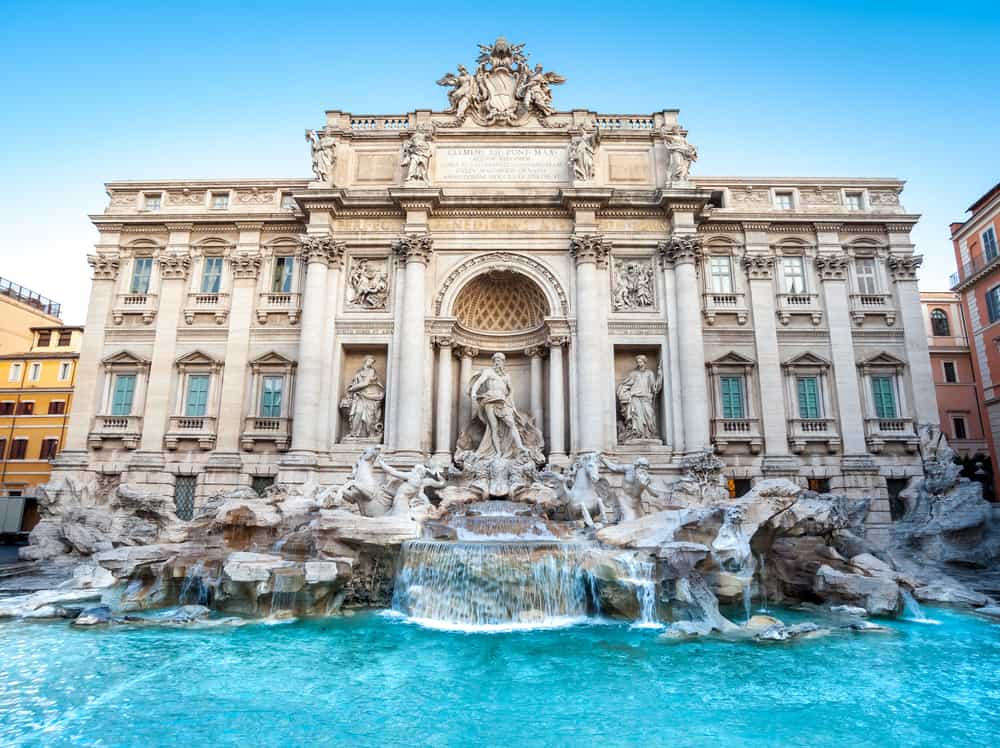
The Trevi Fountain in Rome, Italy.
Trevi Fountain

Indeed, Rome is filthy with historically significant attractions. It seems you can’t turn around without bumping into something an Emperor built, captured or destroyed. For those willing to risk potential wrath, there are also the new Divinci Code tours, which take you to the locations found in the book.

In all serious, Rome is a city you should visit at least once in your life. No article could ever do it justice, so I’ll just stop here.

Venice

I fondly refer to Venice as the floating city even though it is apparently sinking. If you’ve seen Venice is movies or televisions shows, the depictions are accurate. Piazza San Marco looks exactly the same, birds and all. The Grande Canal is, well, a grand canal with incredible houses lining it and boats putting up down this water way. Built on mudflats in a lagoon, the city doesn’t really have much room to grow. It just seems paralyzed in time.

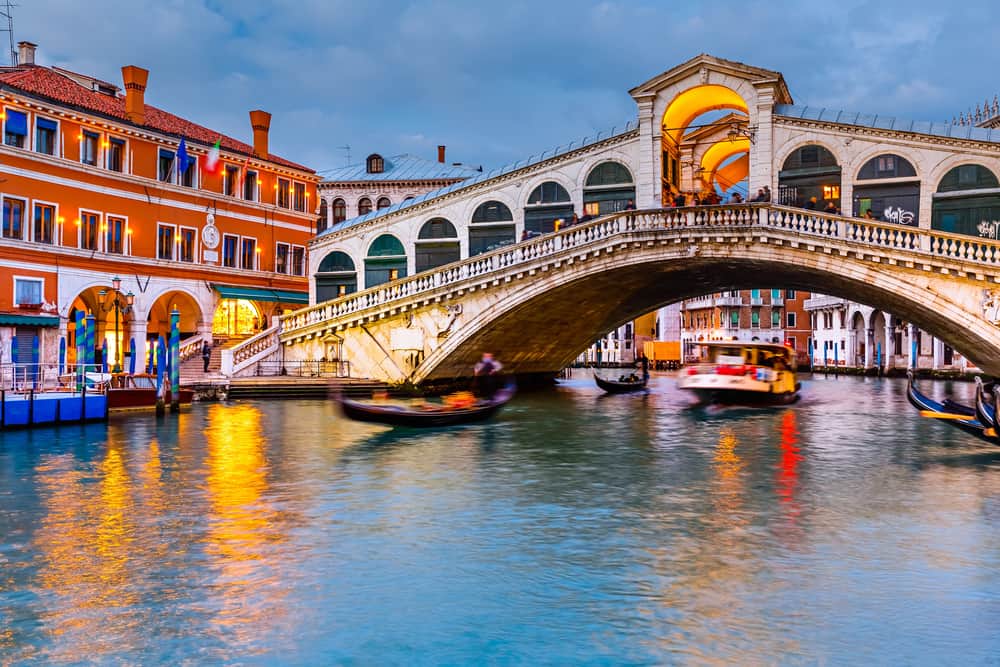
The Grande Canal and the Rialto Bridge at dusk in Venice, Italy.
The Grande Canal and the Rialto bridge

Once you’ve conquered the tourist attractions, it will be time to get serious about Venice. The best way to do this is stand in front of your hotel or hostel, determine which direction the tourist attractions lie and start walking in the opposite direction. While you may feel like you’re driving the wrong way on a freeway for a few minutes, you’ll eventually start getting into real Venice.

An entirely different side of Venice will appear and you’ll love it. You’ll find little cafes with locals happy to talk to you [and non-tourist prices]. In fact, the Venetians will tend to hold you in high regard since you’re a tourist who is bypassing the tourist areas. This, of course, will logically lead to a whirl of introductions to this nephew, that son of a brother and so on. Next thing you know, you’ll be complaining about Italian politicians and how things used to be better in the past.

While Rome and Venice are excellent travel destinations, you can’t really go wrong in Italy. For the adventurous, set your itinerary with the old map on a wall and dart technique.

About the author

Rick Chapo is with nomadjournals.com – makers of travel journals. Writing journals are the perfect travel accessories. Visit nomadjournaltrips.com to read more travel articles and travelogues.

Interesting places to visit in Italy